29 January 2026
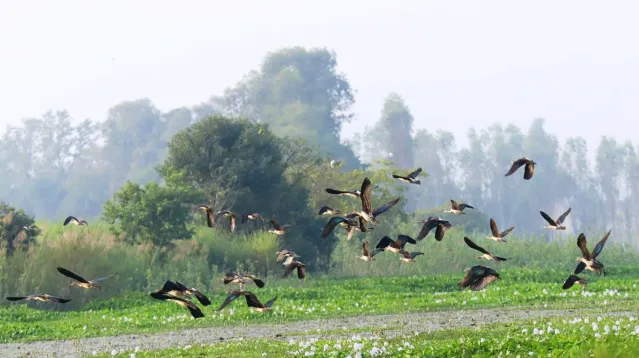
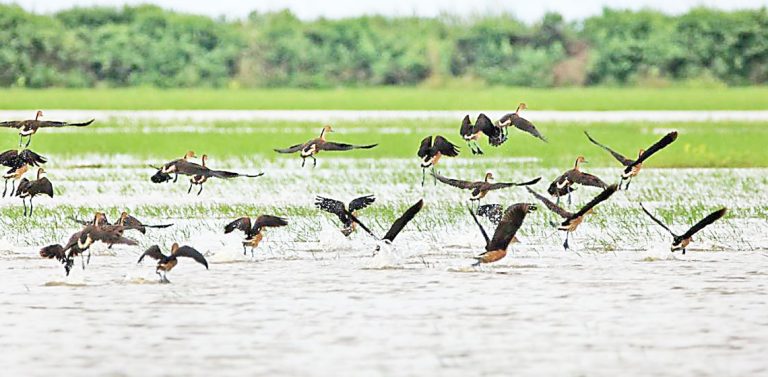
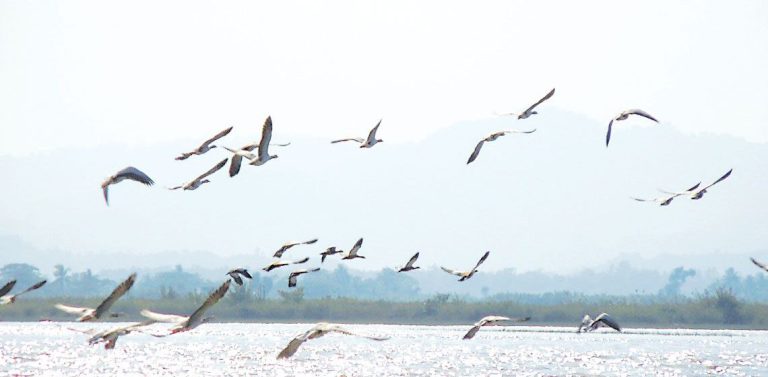
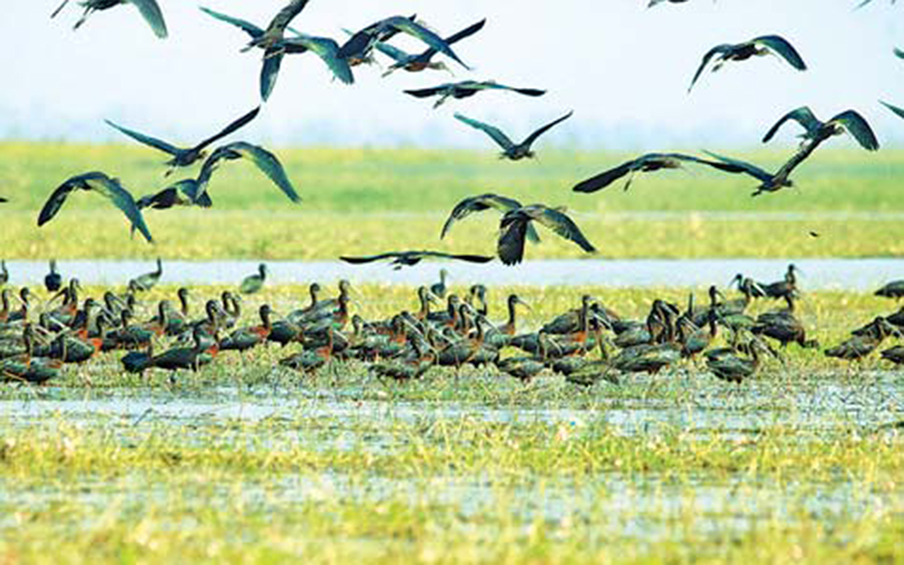
Each year, millions of migratory birds travel from their northern breeding grounds to warmer southern latitudes to escape freezing temperatures and seasonal food shortages.
Guided by ancient flyways, they travel thousands of kilometers in search of warmer climates, safe habitats, and reliable food sources. Myanmar lies along two of these major routes: the East Asian-Australasian Flyway (EAAF) and the Central Asian Flyway (CAF).
Myanmar’s wetlands, lakes, and wildlife sanctuaries provide critical stopover and wintering sites where birds can rest and feed before continuing their journey. From Indawgyi Lake in northern Myanmar to Meinmahla Kyun Wildlife Sanctuary in southern Myanmar, protected areas play a vital role in keeping these flyways alive.
Daw Hsu Sandar Aung, assistant director of the Forest Department under the Ministry of Natural Resources and Environmental Conservation, said migratory birds breed in northern regions but must fly south to survive harsh winters marked by snow, extreme cold, and limited food.
Migratory birds are spending the winter in more than 10 sites across the country, including wildlife sanctuaries, wetlands, lakes, parks, and coastal areas, the official said.
Migratory birds typically arrive at the sites in October and depart in May. To highlight these seasonal movements and the need for protection, Myanmar observes World Migratory Bird Day twice a year, in May and October, she said.
Additionally, she said that illegal hunting, killing, consumption, or trade of birds is punishable under Myanmar’s Conservation of Biodiversity and Protected Area Law (2018).
U Tin Mya Soe, warden of Inle Lake Wildlife Sanctuary in Shan state, said, “We safeguard birds with efforts such as regular bird census, habitat conservation, and tree planting to support nesting and breeding.”
About 2,600 migratory birds from 13 species were spending the winter this year at Inle Lake, U Tin Mya Soe said, adding that they come to the lake because of its healthy wetlands and abundant food.